A good data center is the backbone of reliable web hosting. Every website, application, and online service depends on data centers to store data, process requests, and ensure continuous uptime. Without a strong and well-managed data center, even the best hosting plan can suffer from downtime, slow performance, and security risks.
In 2026, businesses rely heavily on fast, secure, and scalable hosting environments. This makes choosing a hosting provider with a high-quality data center extremely important for long-term success.
What Is a Data Center?
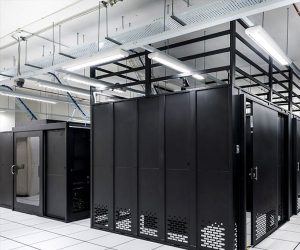
A data center is a physical facility that houses servers, networking equipment, storage systems, and backup infrastructure. These servers store website data and deliver it to users when they visit a website.
Web hosting companies use data centers to ensure websites remain accessible 24/7. A well-built data center provides stable power, fast connectivity, strong security, and controlled environments to keep servers running efficiently.
Why a Good Data Center Matters
A good data center directly affects website performance, uptime, and security. If a data center is poorly managed, websites may experience:
- Slow loading speeds
- Frequent downtime
- Security vulnerabilities
- Data loss risks
On the other hand, a high-quality data center improves:
- Website speed
- Reliability and uptime
- Data protection
- Scalability for growing businesses
For businesses, even a few minutes of downtime can lead to lost revenue and damaged reputation. That is why data center quality is critical.
High Uptime Guarantee
One of the most important features of a good data center is high uptime. Uptime refers to the amount of time a server remains operational and accessible.
Top-tier data centers typically offer 99.9% or even 99.99% uptime guarantees. This means websites hosted in these environments experience minimal downtime throughout the year.
High uptime is achieved through redundant systems, backup power supplies, and efficient infrastructure management.
Strong Physical Security
A good data center must have strict physical security to protect servers from unauthorized access. This includes:
- Biometric access controls
- Security guards
- CCTV monitoring
- Restricted entry zones
Physical security ensures that only authorized personnel can access critical server infrastructure. This reduces the risk of tampering, theft, or physical damage.
Reliable Power Supply
Power stability is essential for uninterrupted server performance. Data centers must have multiple power sources to prevent outages.
Key power systems include:
- Uninterruptible Power Supply (UPS)
- Backup generators
- Dual power feeds
These systems ensure that even during power failures, servers continue running without interruption. A good data center never relies on a single power source.
Advanced Cooling Systems
Servers generate a large amount of heat, and overheating can cause serious performance issues or hardware failure. A good data center uses advanced cooling systems to maintain optimal temperature levels.
Common cooling solutions include:
- Air conditioning systems
- Liquid cooling technologies
- Hot and cold aisle containment
Proper cooling improves server lifespan, performance stability, and energy efficiency.
Fast and Reliable Network Connectivity
Network quality is one of the most important factors in web hosting performance. A good data center is connected to multiple high-speed internet providers.
This ensures:
- Low latency
- Fast website loading speeds
- Reduced packet loss
- Redundant internet connections
If one network provider fails, traffic is automatically rerouted through another connection to maintain uptime.
Strong Data Redundancy and Backup Systems
A reliable data center always includes redundancy systems to prevent data loss. This means data is stored in multiple locations or mirrored across different servers.
Backup systems ensure that if one server fails, another can immediately take over without affecting website availability.
This level of redundancy protects businesses from hardware failures and unexpected disasters.
Advanced Security Against Cyber Threats
Modern data centers must also protect against cyberattacks such as DDoS attacks, malware, and unauthorized access attempts.
Security measures include:
- Firewalls and intrusion detection systems
- DDoS protection
- Encryption technologies
- Continuous security monitoring
A secure data center ensures that hosted websites remain protected from evolving cyber threats.
Scalability and Flexibility
A good data center should support scalability, allowing businesses to expand resources as needed.
This is especially important for growing websites, eCommerce platforms, and SaaS applications. Scalable infrastructure allows businesses to upgrade CPU, RAM, and storage without major disruptions.
Flexible infrastructure ensures long-term hosting efficiency.
Environmental Efficiency
Modern data centers are increasingly focused on energy efficiency and sustainability. Efficient data centers use less power while maintaining high performance.
Green data centers may use:
- Renewable energy sources
- Energy-efficient hardware
- Smart cooling systems
This reduces operational costs and supports environmentally friendly hosting solutions.
Location of the Data Center
The physical location of a data center affects website speed and latency. Hosting a website closer to its target audience improves loading times and user experience.
For example, businesses targeting Asian users may benefit from data centers located in Singapore or Malaysia due to lower latency in the region.
Choosing the right location helps improve SEO performance and user satisfaction.
Conclusion
A good data center plays a crucial role in web hosting performance, security, and reliability. It ensures websites remain online, fast, and protected from both physical and cyber threats.
Key features of a good data center include high uptime, strong security, reliable power systems, advanced cooling, fast network connectivity, and strong redundancy systems.
For businesses in 2026, choosing a hosting provider with a high-quality data center is essential for maintaining a strong online presence and ensuring long-term digital success.