
What is Bandwidth in Hosting? 5 Things You Need to Know
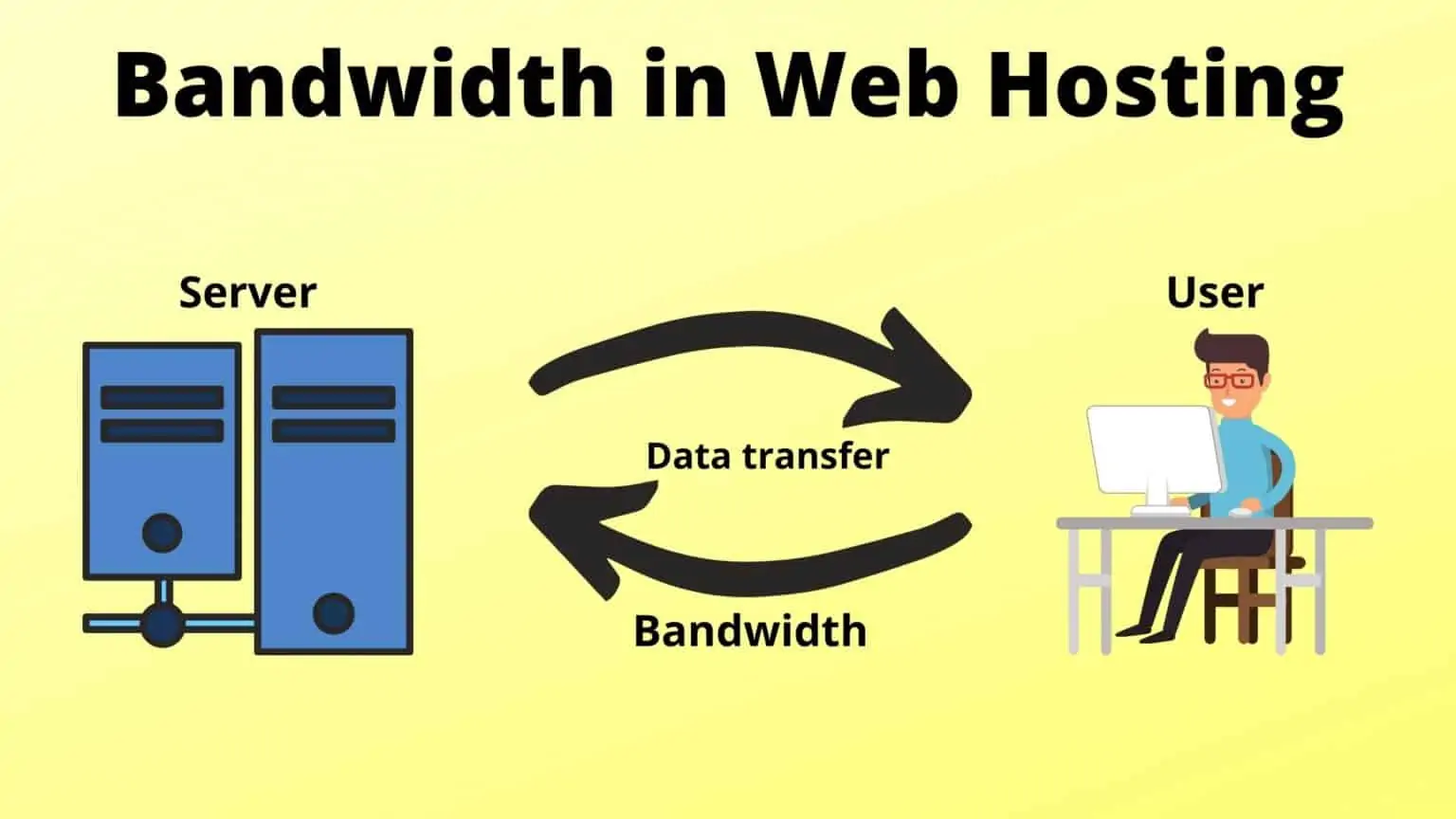
When choosing a hosting plan, one of the most important terms you’ll come across is bandwidth. But what exactly is bandwidth in hosting, and why does it matter for your website?
Understanding bandwidth is crucial because it directly affects your website’s speed, performance, and ability to handle traffic. Without sufficient bandwidth, even the best-designed website can struggle to deliver content smoothly, especially during traffic spikes. In this guide, we’ll explain everything in simple terms and provide practical tips so you can make informed hosting decisions.
What is Bandwidth in Hosting?
Bandwidth in hosting refers to the amount of data that can be transferred between your website and its visitors over a specific period of time, usually measured monthly.
In simpler terms:
Bandwidth is how much traffic your website can handle.
Every time someone visits your website, data such as images, text, videos, and other files are loaded — and this consumes bandwidth. The more visitors and media-heavy content you have, the more bandwidth you need.
Think of it like a highway: the wider the lanes (more bandwidth), the more cars (data) can travel at the same time. Speed, on the other hand, is how fast each car moves. Both matter for smooth traffic flow.
5 Things You Need to Know About Bandwidth
1. Bandwidth Affects Website Traffic
The amount of bandwidth determines how many visitors your website can handle at once:
- More visitors = more data usage
- Websites with high traffic need higher bandwidth
- Low bandwidth can cause slow loading, errors, or even downtime
For example, a small blog may be fine with 10GB of bandwidth per month, while an eCommerce store or photography website may require hundreds of gigabytes to ensure smooth browsing.
2. Bandwidth is Not the Same as Speed
It’s common to confuse bandwidth with website speed:
- Bandwidth = amount of data your server can transfer
- Speed = how fast your website loads
You need both high bandwidth and fast servers for optimal performance. A website with high bandwidth but slow servers will still feel sluggish, while a fast server with low bandwidth may crash under heavy traffic.
3. High Bandwidth Prevents Downtime
Exceeding your bandwidth limit can have serious consequences:
- Your site may slow down significantly
- Pages might fail to load, causing temporary downtime
Choosing a hosting plan with enough bandwidth ensures your website remains available and responsive even during sudden traffic surges, such as product launches or viral campaigns.
4. Media Content Uses More Bandwidth
Websites rich in images, videos, and downloadable files consume significantly more data. For instance:
- A 5-minute 1080p video stream can use 500MB–1GB per visitor
- 1,000 visitors watching daily could easily exceed 500GB per month
To reduce bandwidth usage:
- Compress images and videos before uploading
- Enable caching so repeated visitors don’t reload the same content
- Use a CDN (Content Delivery Network) to deliver content from servers closer to users
5. VPS Hosting Offers Better Bandwidth Control
VPS (Virtual Private Server) hosting often provides higher or scalable bandwidth compared to shared hosting. This makes VPS ideal for growing websites or businesses expecting traffic spikes. You can easily handle increased visitors without worrying about bandwidth limits slowing down your site.
How Much Bandwidth Do You Need?
Bandwidth requirements vary depending on your website type:
- Small blog or personal site: Low bandwidth (10–50GB/month)
- Business website: Medium bandwidth (100–500GB/month)
- eCommerce or high-traffic site: High bandwidth (500GB–2TB/month)
- Video or streaming platform: Very high bandwidth (2TB+ per month)
Always consider future growth and traffic spikes when choosing a plan — it’s better to have extra bandwidth than to run out during a critical moment.
Conclusion
Bandwidth is a key factor in web hosting that determines how much traffic your website can handle. Understanding the difference between bandwidth and speed, accounting for media content, and choosing the right hosting type ensures your website stays fast, accessible, and reliable.
Whether you’re running a small blog or a media-heavy eCommerce platform, selecting the right bandwidth is essential for a seamless user experience. Combine it with optimized content and fast servers, and your website will be prepared for any traffic spikes.