
The Role of CDN in Web Hosting Performance
Introduction
A Content Delivery Network (CDN) plays a crucial role in modern web hosting by improving website speed, reducing latency, and ensuring scalability. As websites attract visitors from different parts of the world, delivering content quickly becomes more challenging.
This is where a CDN in web hosting becomes essential. By distributing website content across multiple servers globally, a CDN ensures that users receive data from the nearest location. This significantly improves load times and enhances overall user experience.
In this guide, we’ll explain what a CDN is, how it works, and explore 3 powerful ways it boosts web hosting performance.
1. What is a CDN? 🌐
-
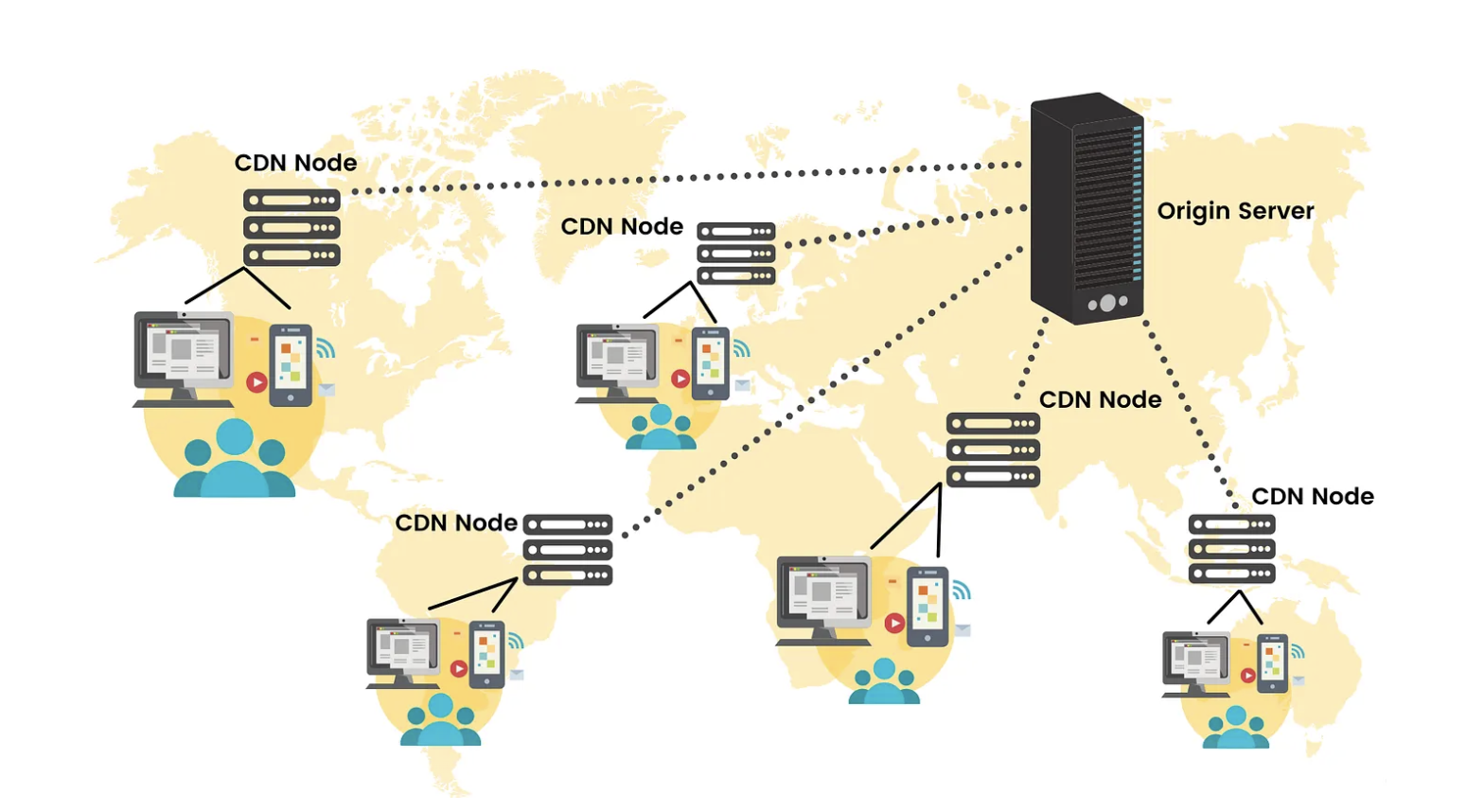
A Content Delivery Network (CDN) is a network of servers strategically located across different geographic regions. Its main purpose is to deliver website content more efficiently to users worldwide.
Instead of relying on a single origin server, a CDN stores cached copies of your website’s static content, such as:
- Images
- CSS files
- JavaScript
- Videos and other media
When a user visits your website, the CDN delivers content from the server closest to their location. This reduces the physical distance data must travel, resulting in faster load times.
For example, if your main server is located in Asia and a visitor accesses your site from Europe, the CDN ensures that content is delivered from a nearby European server instead of the original server.
This makes a CDN in web hosting an essential tool for websites with international audiences.
2. How a CDN Reduces Latency Globally ⚡
-
Latency refers to the time it takes for data to travel from the server to the user’s device. High latency leads to slow loading websites and poor user experience.
A CDN reduces latency in several ways:
- Nearest Server Delivery:
Content is served from the closest CDN node, minimizing distance and delay. - Reduced Network Congestion:
Traffic is distributed across multiple servers instead of a single origin server. - Lower Round-Trip Time:
Faster communication between user and server improves responsiveness. - Optimized Routing:
Many CDNs use intelligent routing to find the fastest path for data delivery.
This is especially important for businesses targeting global users. Without a CDN, users far from your server may experience slow load times and buffering issues.
By using a CDN in web hosting, you ensure consistent performance regardless of user location.
- Nearest Server Delivery:
3. Benefits for Speed and Scalability 📈
-
Integrating a CDN into your hosting setup provides multiple performance benefits:
Faster Loading Times
CDNs significantly reduce page load time by delivering cached content quickly. Faster websites improve user engagement and reduce bounce rates.
Reduced Server Load
A CDN offloads traffic from your origin server by handling requests for static content. This prevents server overload, especially during high-traffic periods.
Better Scalability
CDNs can handle sudden traffic spikes without requiring immediate server upgrades. This makes them ideal for growing websites, eCommerce stores, and viral content.
Improved SEO and User Experience
Search engines prioritize fast-loading websites. Using a CDN improves your site speed, which can lead to higher rankings and better visibility.
Enhanced Reliability
Even if your origin server experiences issues, a CDN can continue serving cached content, improving uptime and availability.
When Should You Use a CDN?
A CDN is highly recommended if you:
- Have a global or regional audience
- Use media-heavy content (images, videos)
- Experience traffic spikes or rapid growth
- Want to improve SEO and user experience
Even small websites can benefit from a CDN, especially as performance expectations continue to rise.
Conclusion
A CDN in web hosting is no longer optional—it’s a critical component for delivering fast, reliable, and scalable websites. By reducing latency, distributing traffic, and improving load times, CDNs enhance both user experience and search engine rankings.
When combined with VPS or dedicated hosting, a CDN creates a powerful infrastructure that ensures your website remains fast and responsive, no matter where your users are located. Investing in a CDN is a smart step toward better performance, higher SEO rankings, and long-term growth.