

Choosing between shared hosting and VPS hosting is a common challenge for website owners. Shared hosting is often the starting point because it’s affordable and simple to manage. But as your website grows, you may start to notice performance issues, slow loading times or limited control. That’s usually the moment when people begin asking the question: Should I upgrade to VPS hosting?
What Is Shared Hosting?
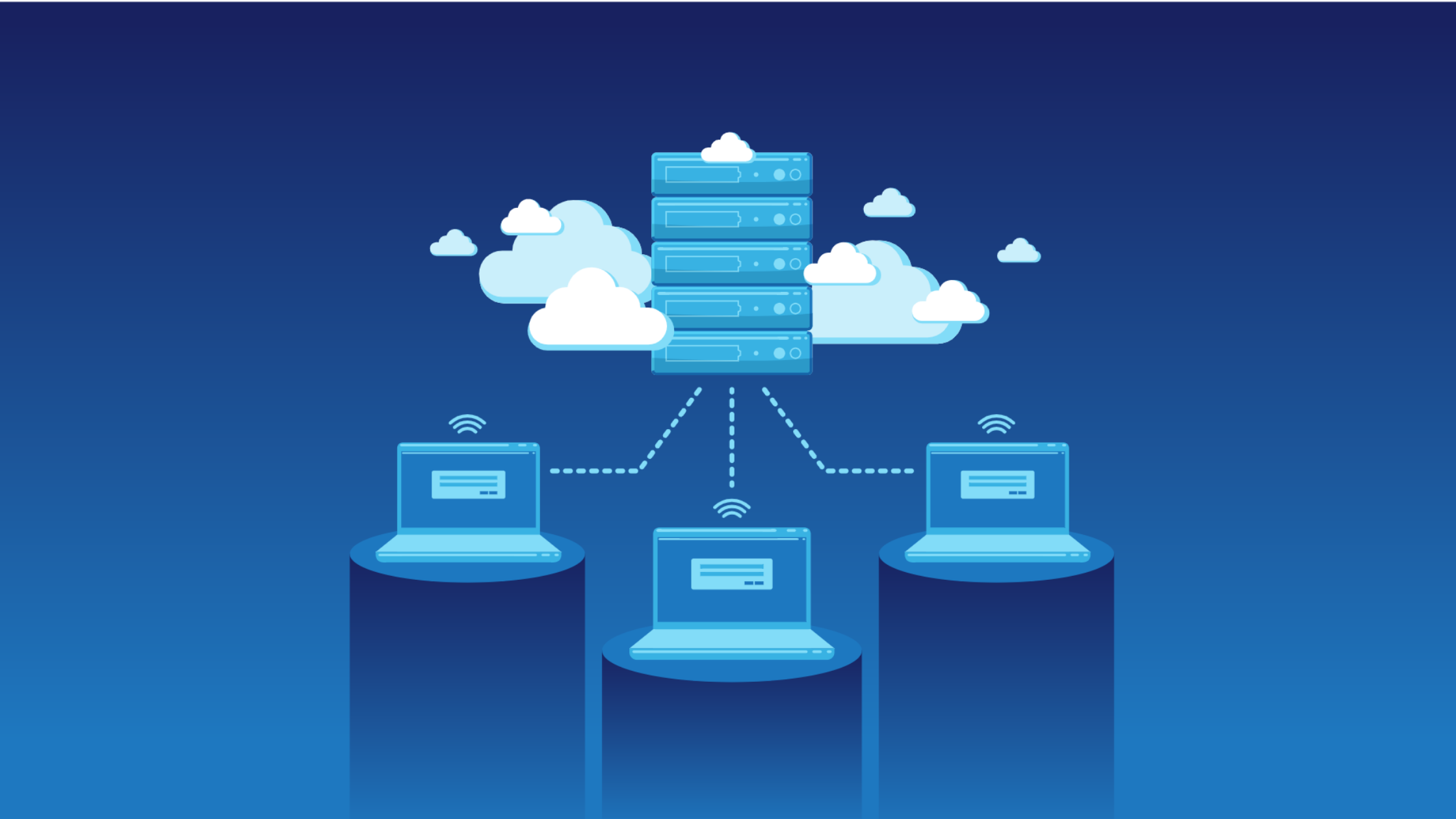
Shared hosting means your website shares the same server and resources such as CPU, RAM and storage with many other websites. It works well for small blogs, personal sites or new businesses with low traffic. The hosting provider manages most technical tasks, so it’s beginner-friendly and low-cost.
However, because resources are shared, your website’s performance can be affected by other users on the server. If another site experiences a traffic spike or uses too many resources, your site may slow down or go offline.
What Is VPS Hosting?
VPS (Virtual Private Server) hosting gives you your own isolated portion of a server with dedicated resources. While the physical server is still shared, your VPS acts like a private server environment. You get better performance, improved security and more control over server settings.
VPS hosting is ideal for growing websites, online businesses and applications that need reliability and flexibility.
Signs It’s Time to Upgrade to VPS Hosting
1. Your Website Is Getting Slower
If your pages are loading slowly despite good optimization, shared hosting may be holding you back. VPS hosting provides consistent resources, resulting in faster and more stable performance.
2. Traffic Is Increasing
As your website gains more visitors, shared hosting may struggle to keep up. VPS hosting handles higher traffic levels more smoothly, especially during peak periods.
3. You Experience Frequent Downtime
Unexpected downtime or server errors are strong signs that shared hosting is no longer sufficient. VPS hosting offers better stability and uptime.
4. You Need More Control
If you want to install custom software, change server configurations or run specific applications, shared hosting can feel restrictive. VPS hosting gives you full control with root or admin access.
5. Security Has Become a Priority
Handling customer data, payments or sensitive information requires stronger security. VPS hosting offers better isolation and allows you to apply advanced security measures.
Upgrading from shared hosting to VPS hosting isn’t about spending more it’s about supporting your website’s growth. If you’re noticing performance issues, limited control or security concerns, VPS hosting is likely the right next step.
The right time to upgrade is when your hosting starts limiting your success. When that happens, VPS hosting gives you the space, power and flexibility to move forward with confidence.